
Your next customer won’t type a keyword. They’ll ask a question.

Most write-ups of Google's latest announcement say the same thing: "Search is getting more conversational, so get ready." True, but useless. Here's what Google actually unveiled at Google Marketing Live on 20 May 2026 — and, more importantly, what your business should do about it before your competitors do.
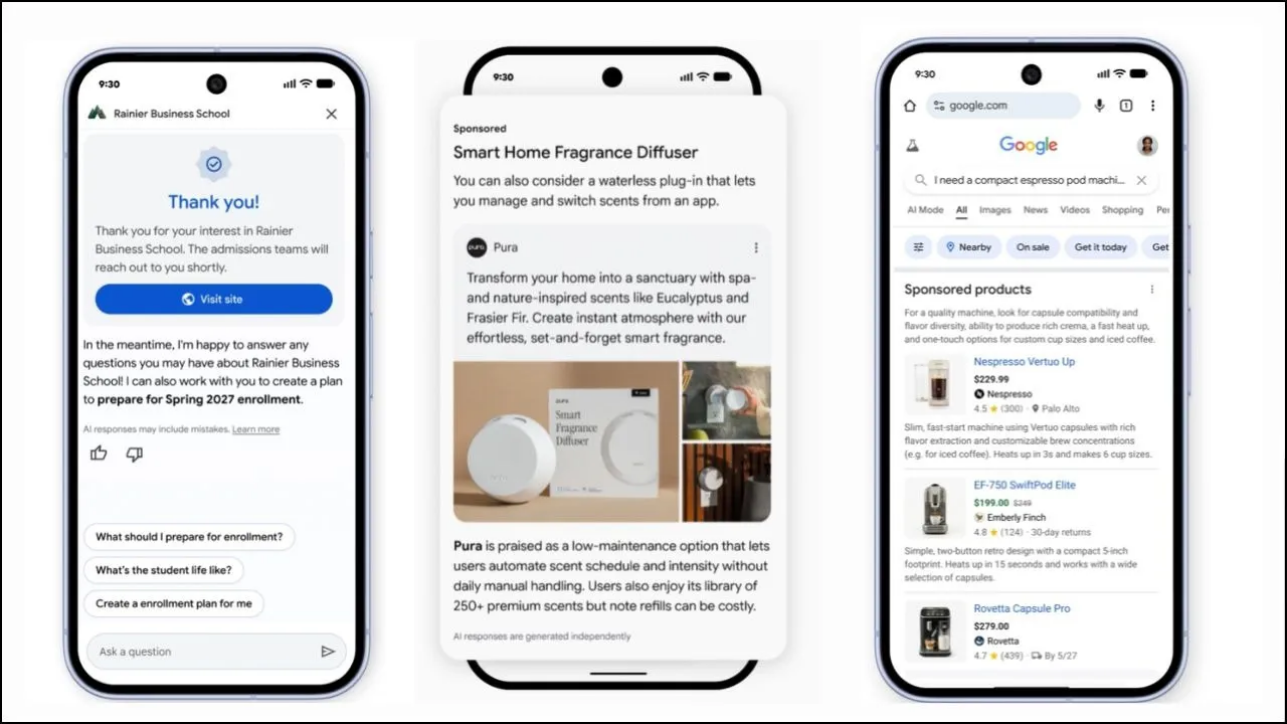
What Google actually announced
This wasn’t a vague “AI is coming” message. Google named five concrete things, all built on its Gemini models. It’s worth knowing them by name, because each one changes how a potential customer finds you.
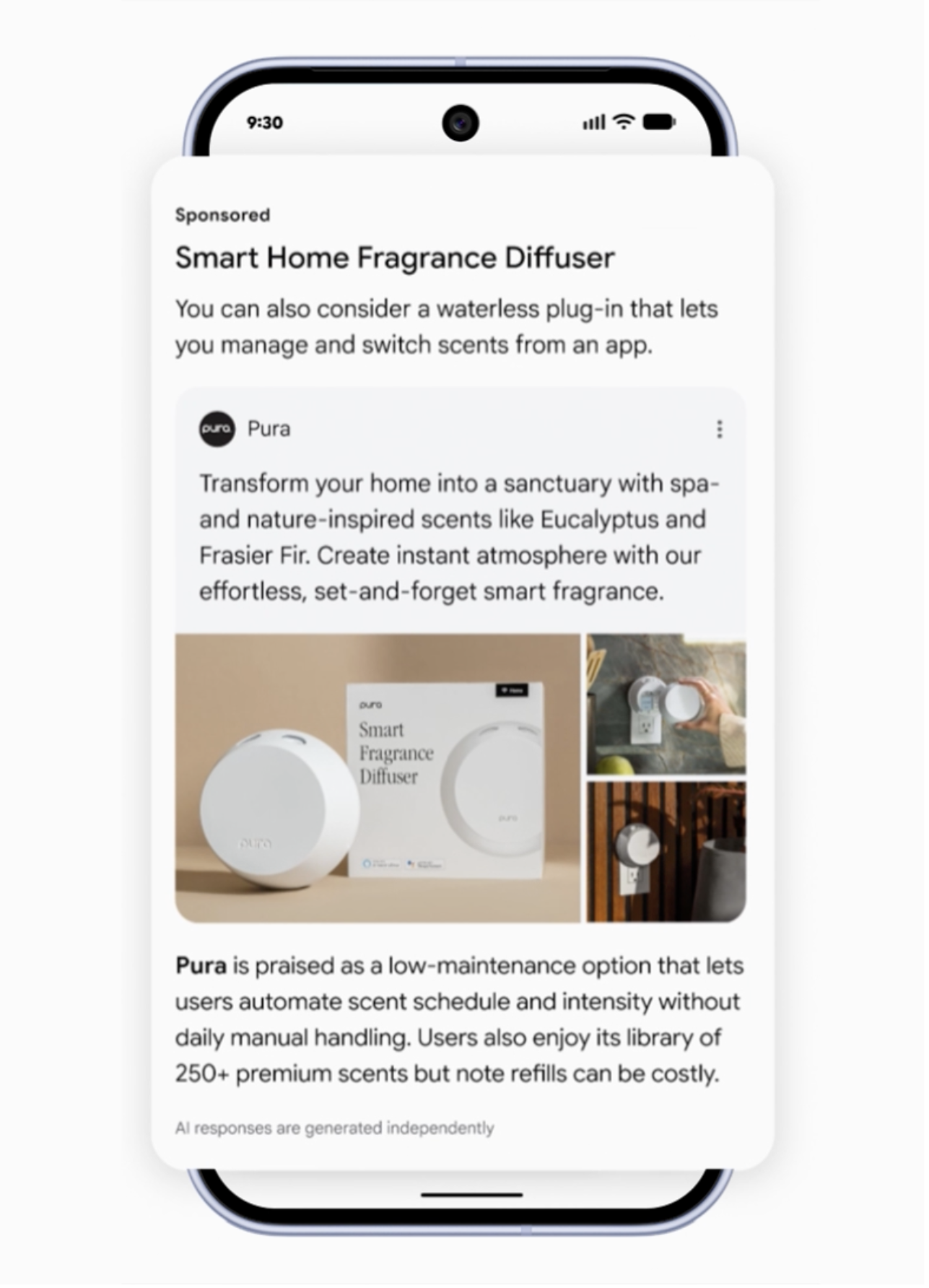
Conversational Discovery ads. Instead of matching a keyword, your ad answers a person’s actual question. Someone types, “I’m trying to make my house smell like a fancy spa or a rainy forest — what are some low-maintenance ways to do that?” Gemini builds ad creative tailored to that exact query, pulling out the features that matter to them. The shopper isn’t searching a term any more; they’re describing a problem.
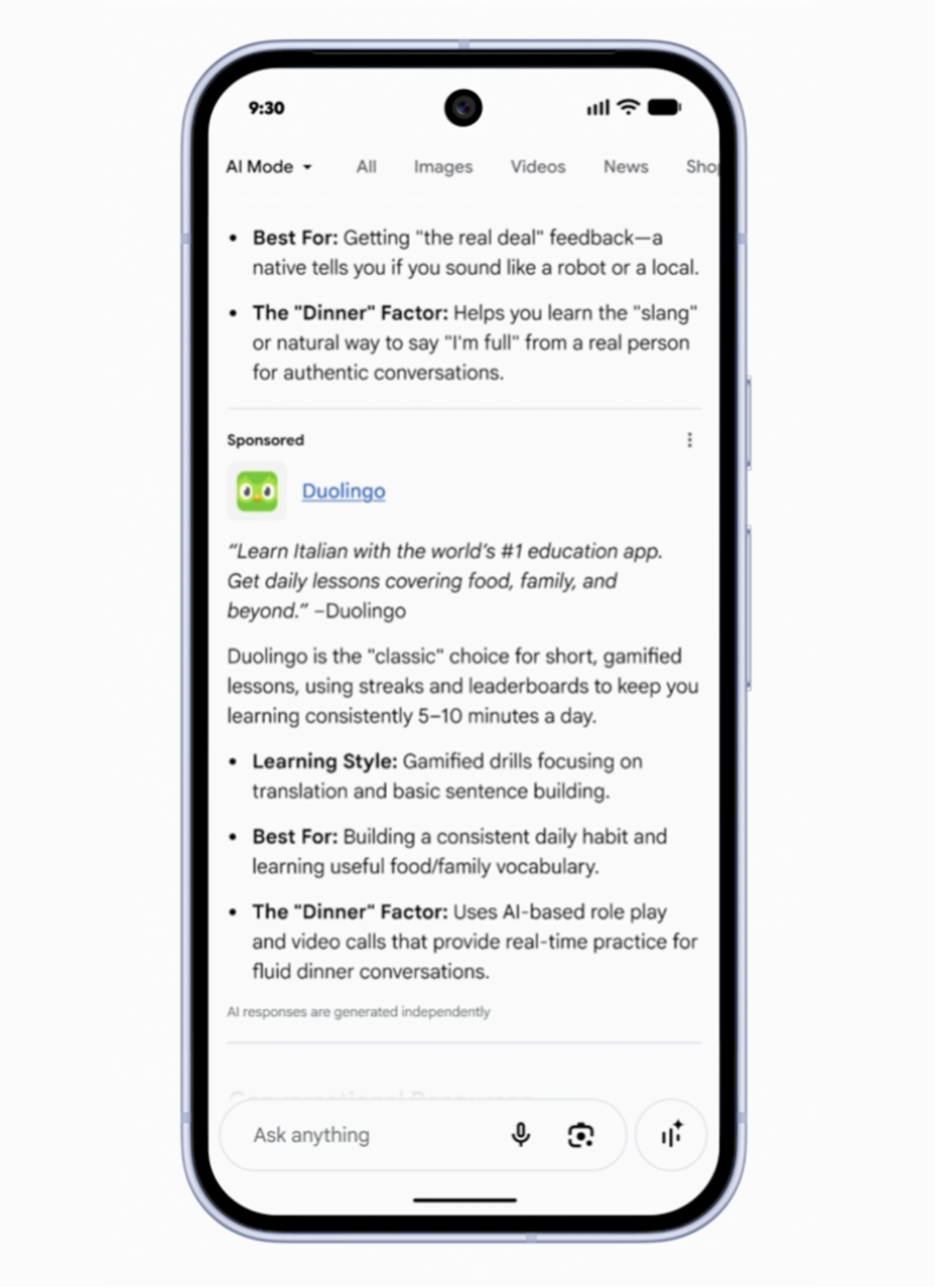
Highlighted Answers. When AI Mode produces a list of recommendations — say, “the best durable kitchen worktops” — a high-quality, highly relevant ad can now appear on that list. For a client like Aeterna Surfaces or Anatolia Tile, that’s the difference between being a link further down the page and being one of the recommended answers.
AI-powered Shopping ads. For bigger purchases, Gemini surfaces your most relevant product and instantly writes a custom explainer on why it suits that specific shopper. Useful context: it generates that explainer from what it understands about your product.
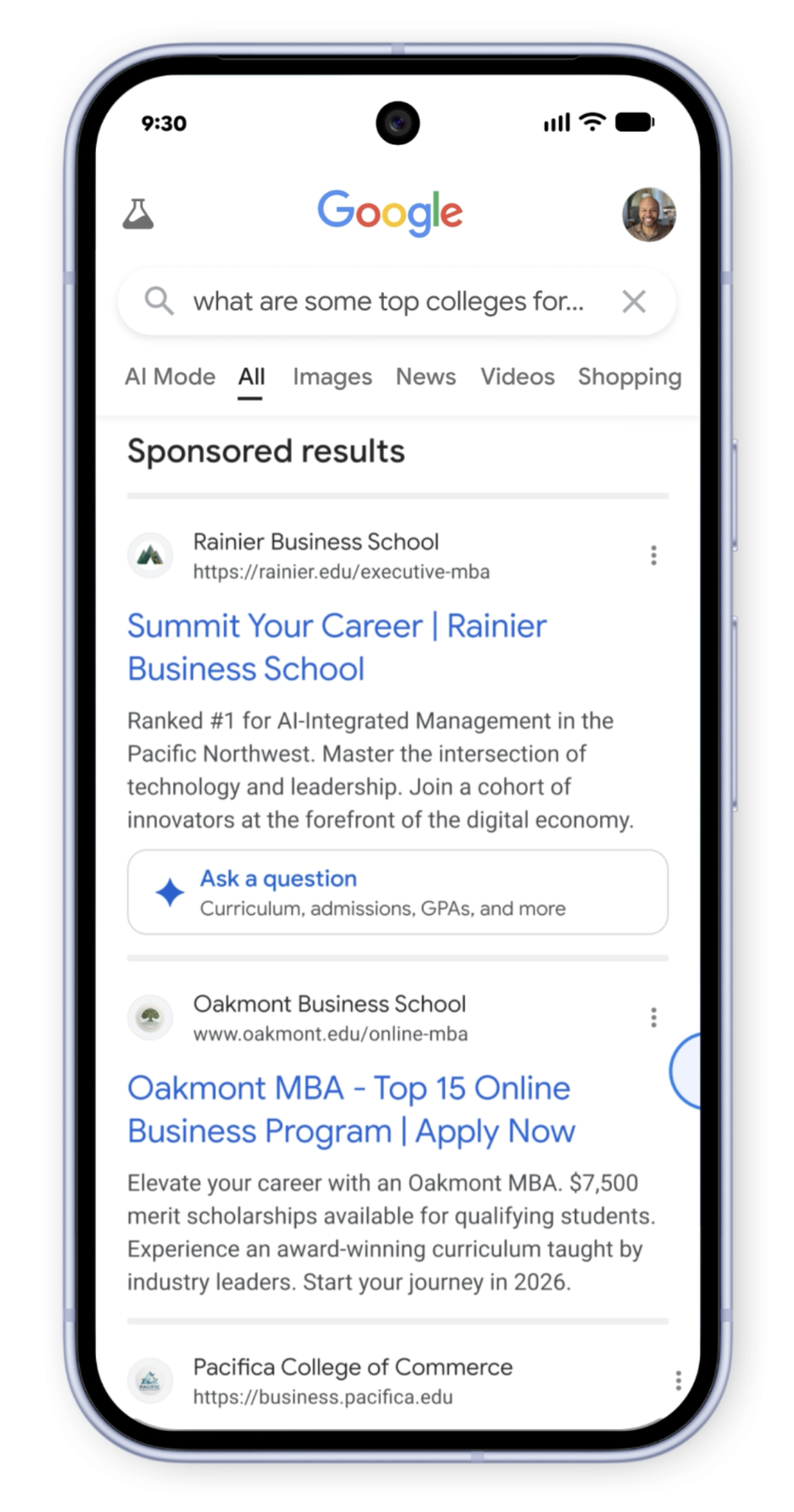
Business Agent for Leads. This is the big one for service businesses. Instead of a static “fill in your details” form, your ad contains a smart agent that answers questions in real time using your website’s content. A company researching employer-of-record services for Agility EOR, or someone weighing up self-storage options for Pink Storage or Vanguard, can click “Chat” and get instant, specific answers — turning idle research into a qualified lead on the spot.
An expanded Direct Offers pilot. Promotions, bundles and coupons can now surface directly in AI results, with native checkout for some merchants and travel deals on the way. Relevant for any client running offers.
One detail worth flagging for trust: both AI Mode formats include an independent AI explainer sitting alongside your ad, and everything stays clearly labelled “Sponsored.” Google is trying to keep these helpful rather than intrusive — which means thin, salesy ads won’t survive here.
Why this matters more than the usual “AI is changing search” line
Google cited its own research: 75% of people say they make faster, more confident decisions using AI Mode in Search. Faster, more confident decisions mean shorter consideration windows. If your business isn’t part of that AI-assisted conversation, you’re not losing the click — you’re losing the decision before a click ever happens.
The shift in plain terms: visibility used to mean ranking for “self storage Manchester.” Now it means being the answer when someone asks, “I’m moving house next month and need somewhere secure to store furniture for 8 weeks — what are my options?” That’s a richer, higher-intent moment, and it rewards businesses that genuinely fit the need over those that simply bid on the right phrase.
What this means for your marketing — and your numbers
This is where it gets practical. Four things genuinely change.
First, intent beats keywords. Google needs to understand your customers’ goals, pain points and decision factors — not just the terms they type. The measurable upside: more of these conversational moments to appear in, which means more qualified traffic, not just more traffic.
Second, your website becomes your sales pitch. Business Agent for Leads answers questions using your site’s content. If your service pages are thin or vague, the agent has nothing good to say. If they clearly explain what you do, who it’s for and why you’re the right choice, that content now works directly to generate leads. SEO and paid search stop being separate jobs.
Third, creative and clarity decide who gets recommended. As AI compares options for the shopper, the businesses that win are the ones whose messaging plainly answers: why you, what problem you solve, who it’s best for. Vague positioning gets filtered out.
Fourth, first-party data and conversion tracking become fuel. These AI formats lean on Performance Max, AI Max for Search and AI Max for Shopping. The better your audience signals and conversion tracking, the more the system can put you in front of the right people — directly affecting your leads and cost per lead.
What to do now (before competitors catch on)
You don’t need to wait for every format to roll out. Five moves put you ahead:
- Rewrite key service and product pages around customer questions, not just keywords — because that content now powers both rankings and the AI lead agent.
- Tighten your value proposition so it answers “why you?” in a sentence.
- Get conversion tracking watertight, including leads from chat-style interactions.
- Build a foundation in Performance Max and AI Max so you’re eligible for these formats as they launch.
- Test early. Formats like Highlighted Answers reward quality and relevance — the businesses that experiment first will learn what works while everyone else is still reading the announcement.
The opportunity
AI-powered search isn’t replacing advertising; it’s changing what advertising rewards. The winners won’t be whoever bids highest on a keyword. They’ll be the businesses that understand their customers’ real questions, answer them clearly on their own site, and show up in the moment the decision gets made.
That’s a shift from buying attention to earning relevance — and it’s a far better game for businesses with genuine expertise to sell. If you’d like a hand getting your campaigns and content ready for it, that’s exactly the kind of work we do.
Source: Google, “A new generation of ads for the AI era of Search,” 20 May 2026 — blog.google